/ɔ/as in law
You likely carry over the Hindi long vowel ɔː that you already use in words like 'डॉक्टर', rounding your lips firmly and holding the vowel longer than Americans do, so 'law' or 'caught' can come out sounding slightly…
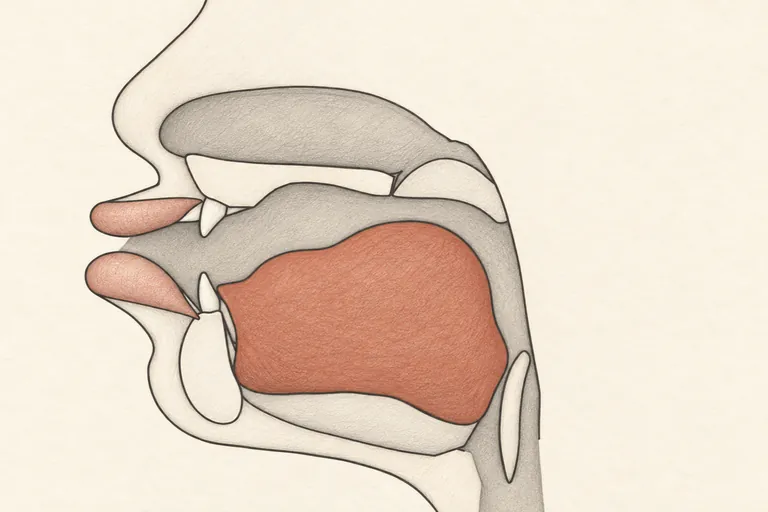
What you probably do
You likely carry over the Hindi long vowel ɔː that you already use in words like 'डॉक्टर', rounding your lips firmly and holding the vowel longer than Americans do, so 'law' or 'caught' can come out sounding slightly over-rounded or drawn out.
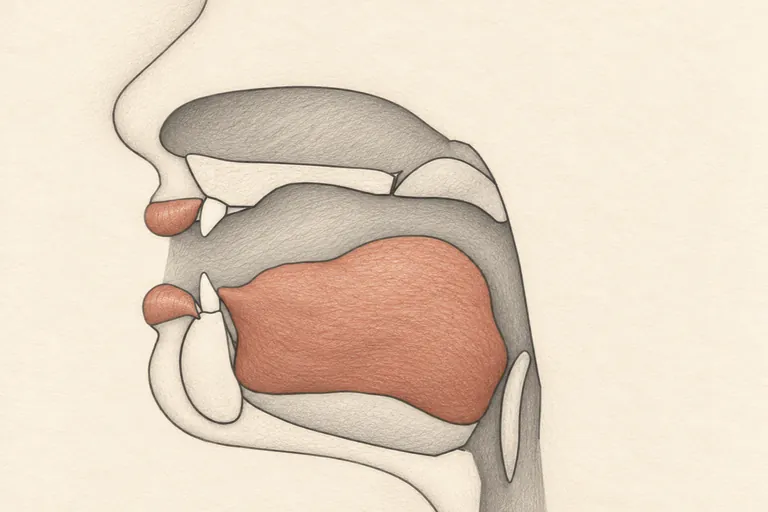
How natives do it
Americans round their lips only lightly, keep the tongue in a mid-low position, and often clip the vowel short — many speakers even pronounce 'caught' and 'cot' identically, letting ɔ drift toward the more open ɑ sound instead of holding a tight round shape.
Why it matters
The words stay understandable either way, so this is a minor accent marker rather than a comprehension problem, but loosening the lip rounding and shortening the vowel will make stressed syllables feel lighter and more natural, bringing your rhythm closer to General American.
Hear the difference
Words this touches
Hindi (Modern Standard Hindi) speakers often substitute /ɔː/.
How the mouth differs
Hindi ɔː is a long, firmly rounded back vowel used consistently in words like 'डॉक्टर'. American ɔ is shorter, less tightly rounded, and for many GA speakers has merged partly with ɑ (the cot-caught merger), so the target is often laxer and more open than the Hindi model vowel.
Listen for the pattern
The word stays recognizable, but the extra lip rounding and length can make the vowel sound slightly 'heavier' or more formal than natural GA speech, contributing to a general foreign-accent impression rather than confusion.
Reader ratings and feedback are coming soon.
Sources (1)
- Wells, J.C. (1982). Accents of English.
Loads videos from YouTube via YouGlish; YouTube may set cookies.
caught in YouGlish examples