/aʊ/as in how
You may default to a steady, already-rounded vowel similar to the long 'aw' sound, the way Hindi's historical 'au' settled into one fixed vowel, so 'how' or 'house' can come out flatter and more rounded from the very…
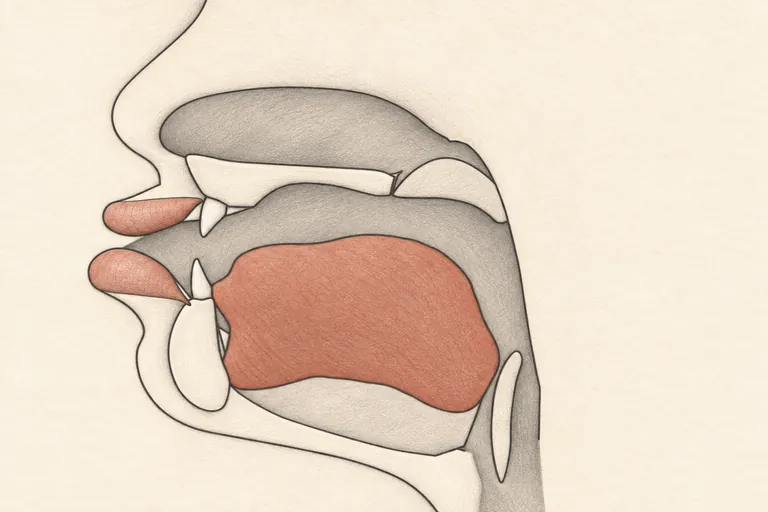
What you probably do
You may default to a steady, already-rounded vowel similar to the long 'aw' sound, the way Hindi's historical 'au' settled into one fixed vowel, so 'how' or 'house' can come out flatter and more rounded from the very start than Americans expect.
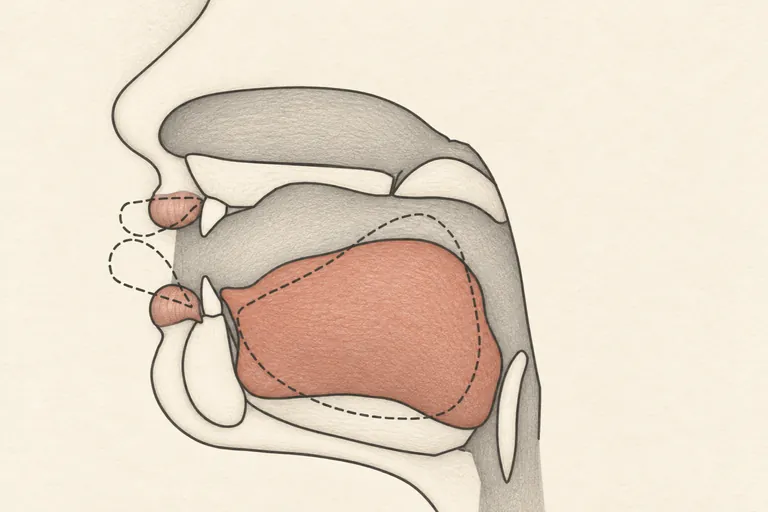
How natives do it
Americans begin with the jaw wide open and the lips relaxed, almost like 'ah', then glide the tongue up and back while the lips round only toward the end, finishing near an 'oo' shape, all within one syllable, as in 'how' and 'now'.
Why it matters
A flattened, early-rounded version of this vowel can shorten the word and nudge it toward sounding like a 'law'-type vowel, slightly reducing clarity; practicing the open-to-rounded glide, saving most of the rounding for the end, keeps everyday words like 'now', 'house', and 'about' sharp and clear.
Hear the difference
Words this touches
Hindi (Modern Standard Hindi) speakers often substitute /ɔː, aː/.
How the mouth differs
Hindi's historical 'au' sequence collapsed into the long monophthong ɔː rather than staying a glide. Hindi speakers often transfer this habit, producing a flatter, rounded vowel (closer to ɔː or aː) in place of the dynamic glide from a wide-open jaw up and back toward a rounded near-high finish.
Listen for the pattern
A flattened glide can make words like 'house' sound shortened or closer to 'hoss', occasionally pulling the word's quality toward the 'caught/law' vowel territory, though the surrounding consonants usually keep the word recognizable.
Reader ratings and feedback are coming soon.
Sources (1)
- Wells, J.C. (1982). Accents of English.
Loads videos from YouTube via YouGlish; YouTube may set cookies.
now in YouGlish examples