Rhythm, stress and melody
Ten features of American English speech beyond individual sounds, compared with Mandarin Chinese habits.
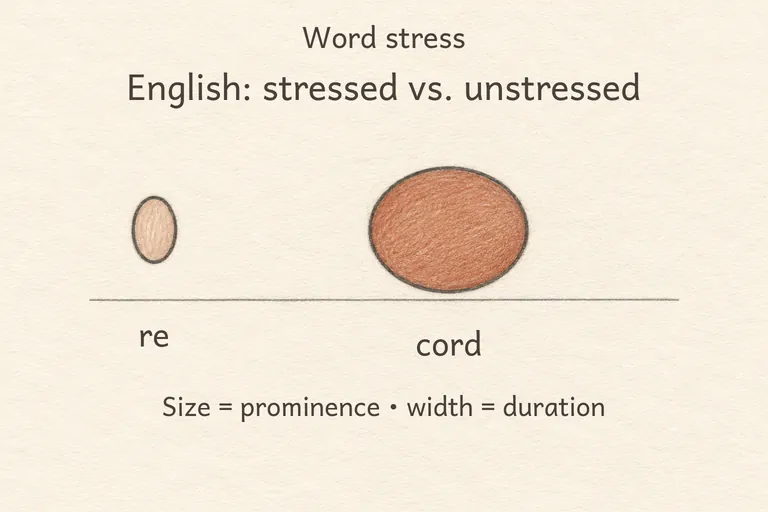
You likely give most syllables in an English word similar loudness and keep their vowels clear and full, the…
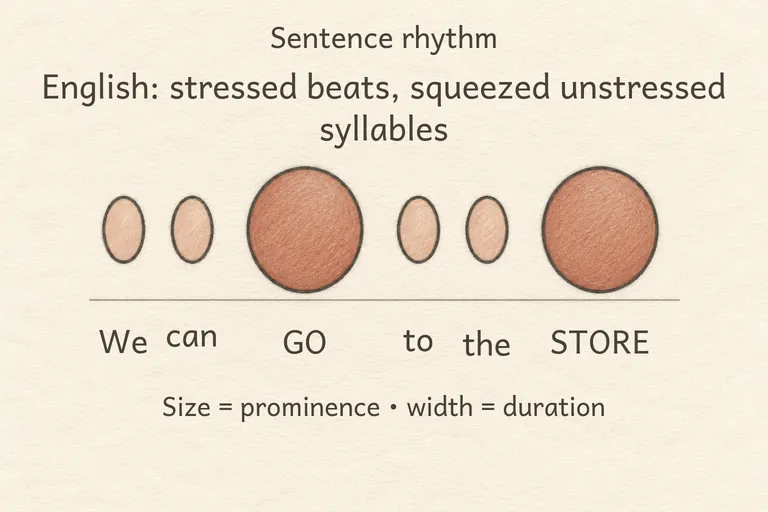
You probably give each syllable in an English sentence close to equal time and clarity, producing a steady…
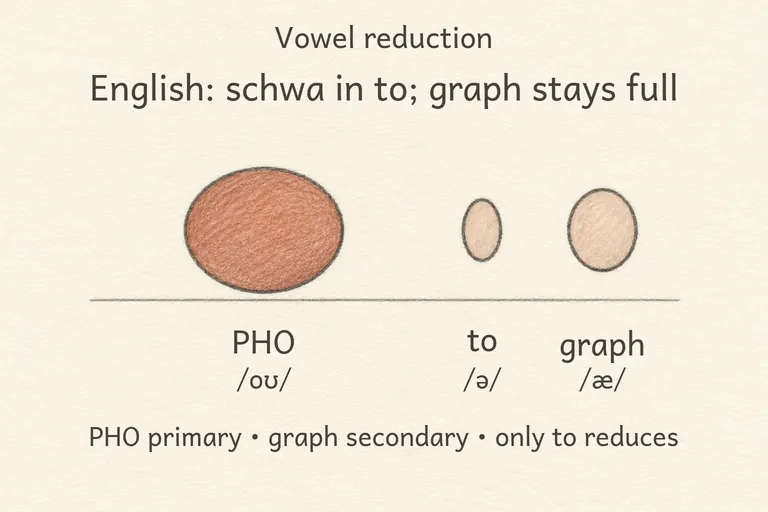
You likely pronounce the vowels in unstressed syllables and small function words like 'to', 'a', and 'of…
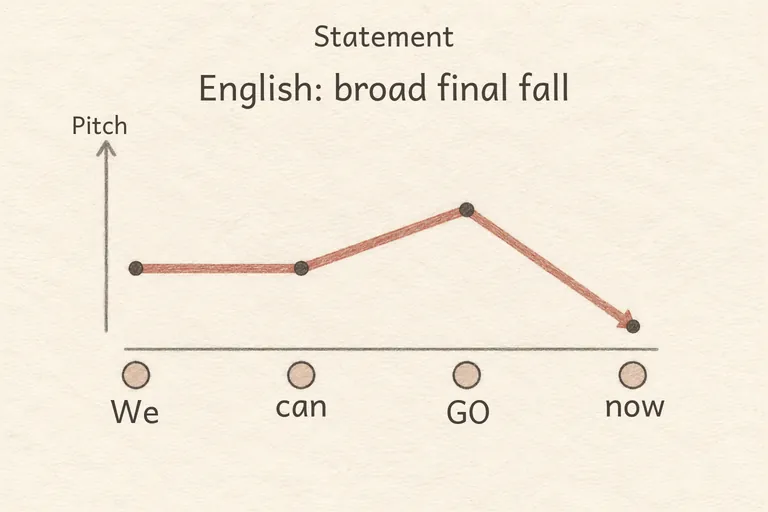
You probably keep your pitch range fairly narrow across an English sentence and let each syllable's natural…
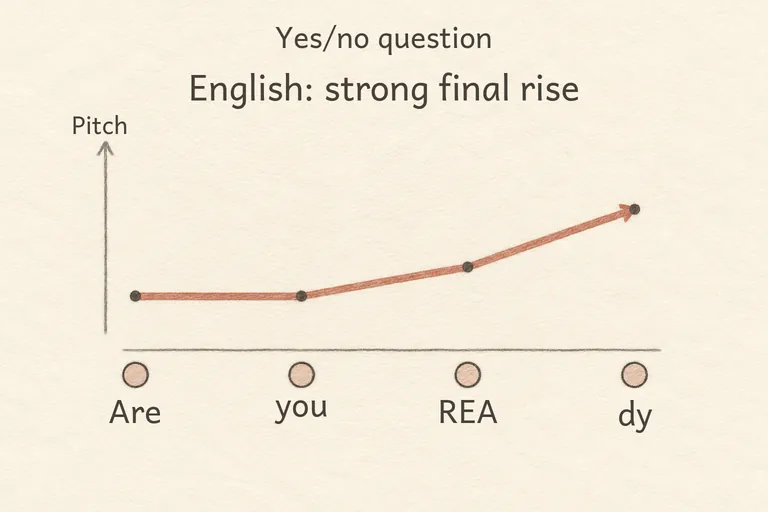
You may keep your pitch fairly flat or only slightly raised at the end of an English yes/no question, since…
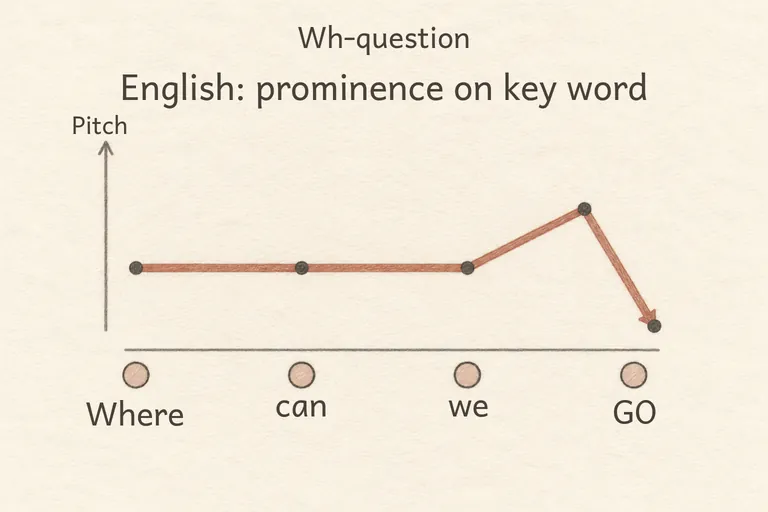
You likely keep your pitch fairly even across an English wh-question, similar to how Mandarin relies on the…
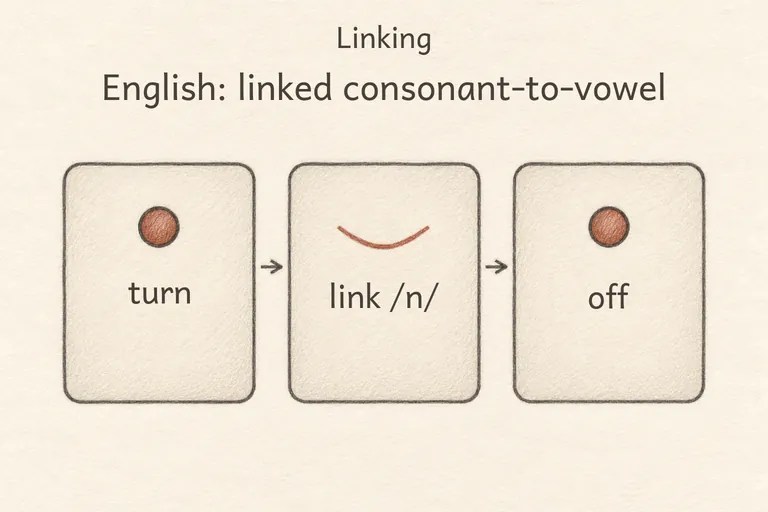
You likely pronounce each English word as its own separate unit, sometimes adding a small pause or a slight…
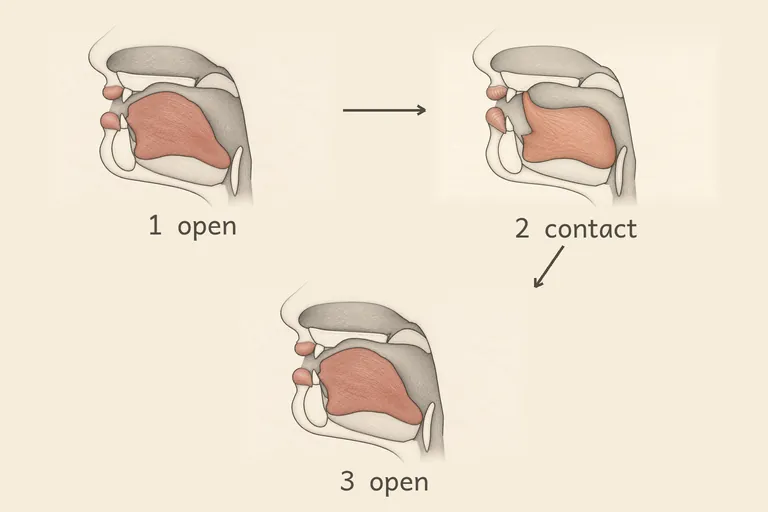
You probably pronounce the /t/ in words like 'butter,' 'water,' and 'city' as a clear, fully released stop…
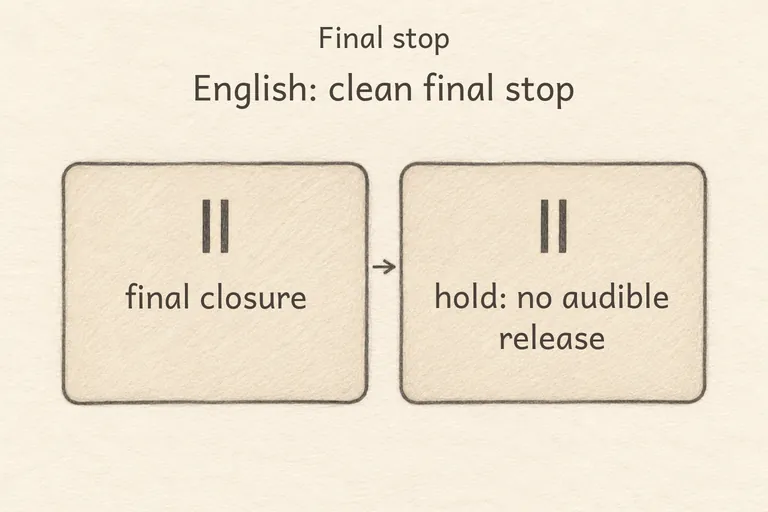
You may drop the final consonant in words like 'seat' or 'big,' making them sound like 'see' or 'bih,' or add…
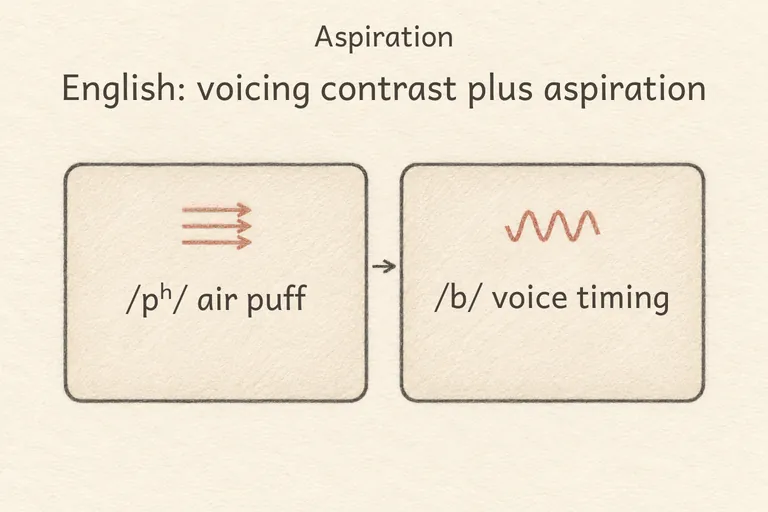
You likely rely on the presence or absence of a puff of air to tell English stops apart, since that's how…